

Kevin Abdi, P.Eng., PMP
Olive Contractors Inc.
Published on October 3, 2025
Last update: June 8, 2026
If you have been following our home renovation blog posts (which I hope you do), you’ll know we like to cover topics that actually matter in construction and design. The goal is not to sugarcoat but to reveal the facts, open conversations, and prepare you with some knowledge before you dive into a major project.
This article covers one of the hottest topics in home improvement: bathroom renovation in Toronto. We’ve already talked about bathroom design ideas for smaller spaces in our article Top Bathroom Renovation Ideas That Maximize Small Spaces. This time, we’ll dig deeper into the technical and financial aspects of bathroom renovations, including shower renovation, bath remodels, and upgrades to bathroom fixtures.
Here are the key points you’ll walk away with:
- Why and when to renovate your bathroom
- What bathroom design to select
- What can blow up your budget or delay the project
- What to look for closely during the construction
- What budget to set aside for a bathroom renovation
Why and When to Renovate Your Bathroom
Bathrooms may not be the first room people see in your home, but they’re always noticed; right after the kitchen. (By the way, if you haven’t read our guide How to Plan a Kitchen Renovation in Toronto That Increases Home Value, now’s a good time to read both.)
According to the National Association of Realtors’ Remodeling Impact Report (2022), the average ROI for a bathroom renovation is around 59%. That means most homeowners recoup about 59 cents on the dollar at resale.
But ROI isn’t the whole story. Homeowners often report that a bath renovation improves their lifestyle. Many feel more comfortable and even more proud of their home once the project is complete. A bathroom upgrade isn’t just financial. It’s also emotional.
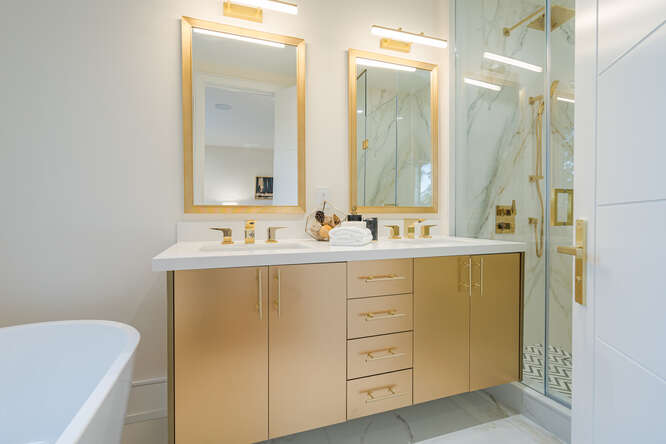
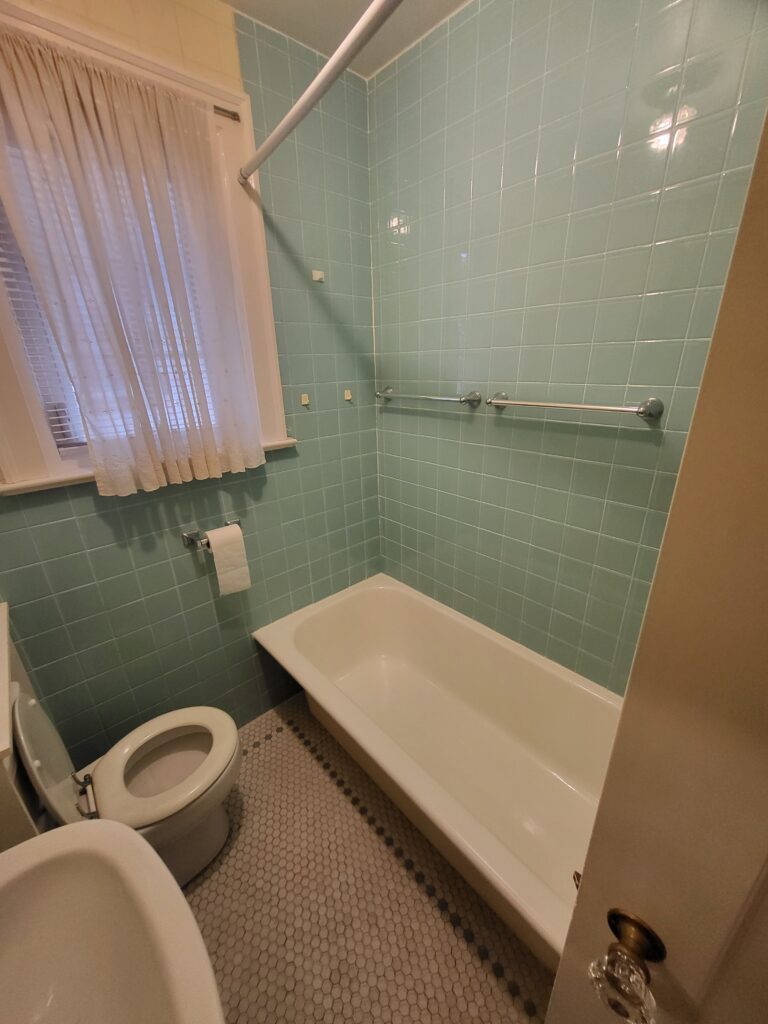
So when’s the right time to renovate? Maybe it’s when you step into a friend’s newly updated bathroom with a fresh bath with shower, sleek vanity, and modern bathroom fixtures light, and suddenly you feel like your own space is outdated. Or maybe it’s when your tiles are permanently stained, your fan sounds like a jet engine, or your pastel bath tub from the 70s makes you feel stuck in a retro time capsule.
Fixtures and finishes typically age out after 10–15 years. Plumbing leaks, poor ventilation, and electrical issues are signs it’s time to start planning your bathroom remodel.
What Bathroom Design to Select
Design is fun, but the layout is what really drives the cost of a bathroom renovation. Moving things around, especially the toilet, can be an expensive decision.
Here’s why: a toilet uses a 3-inch drain line that was carefully hidden between floor joists and walls when the house was built. Relocating it usually means cutting joists, boxing out bulkheads, or tearing open walls and ceilings to reroute pipes. That adds weeks and thousands of dollars to your bath remodels.
Imagine a typical rectangular bathroom, about 12 feet long by 5 feet wide. In most cases, the bath tub sits at the far end, the toilet is positioned in the middle, and the vanity is placed closer to the door. This is the standard layout found in many houses and condo units. Homeowners often think they can improve on this arrangement, but what looks like a simple change on paper usually involves far more work behind the walls and under the floor than expected.
So what are the options?
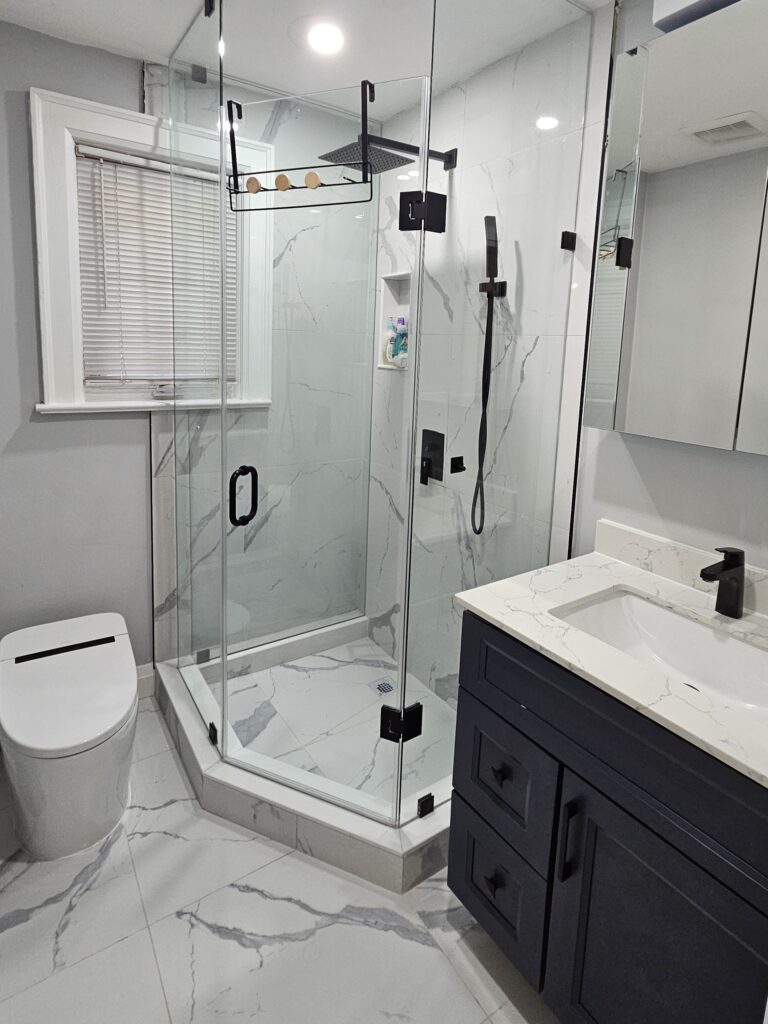
One of the most common bathroom remodels we see with clients is swapping out the traditional bath tub for a standing shower. I’m personally a big fan of this change because it instantly modernizes the space, makes it more functional, and frankly looks much better. Who really has the time to soak in a tub these days? Most people don’t. Replacing an old, stained tub with a sleek glass-door shower is a transformation worth considering. It’s also a safer option for older homeowners since they no longer need to step in and out of a tub every time they shower.
In terms of cost, vanities and showers are usually much more budget-friendly to relocate than toilets. That’s because they typically connect with smaller 1.5-inch drainpipes, which are easier to reroute between floor joists or through them if necessary. Changing the size and shape of a vanity is often the simplest modification, provided you maintain the proper spacing between fixtures.
So here’s the takeaway: put simply, moving a toilet is where costs skyrocket. So, unless there’s a compelling reason, keep layout changes minimal, focus on bathroom design details like tile, vanity design options, and bathroom fixtures, and you’ll keep your renovation both beautiful and cost-effective.
Changes That Can Blow Up Your Budget
The fastest way to see your bathroom renovation cost spiral is by moving plumbing fixtures. Unless unavoidable, keep the layout where it is.
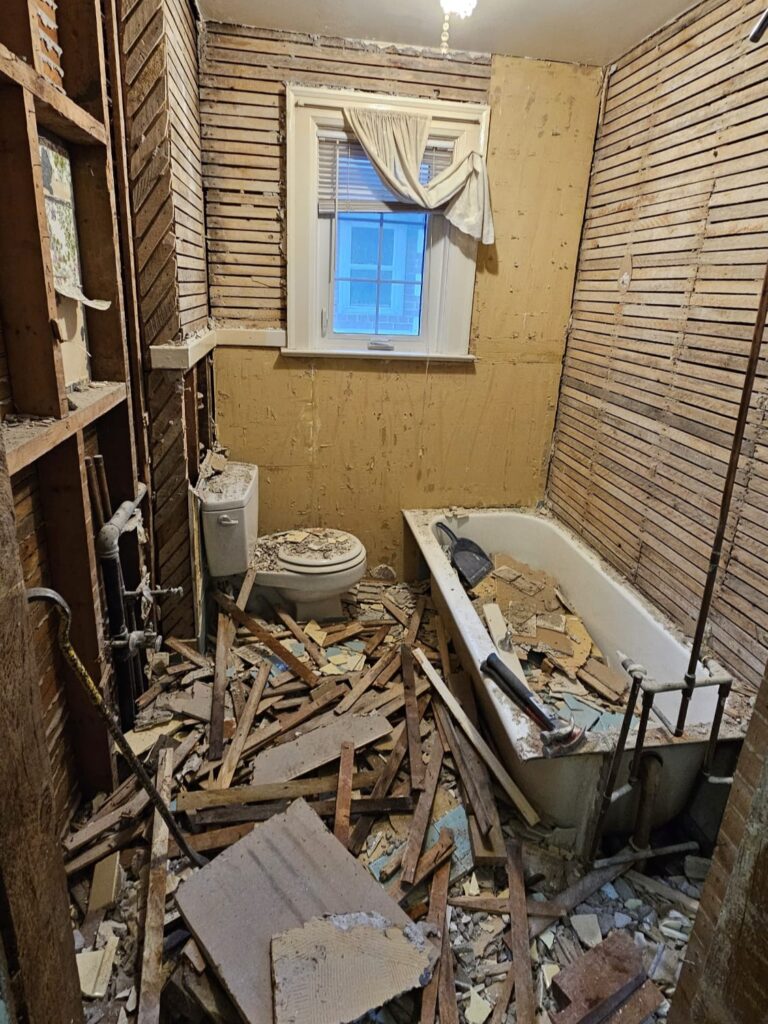
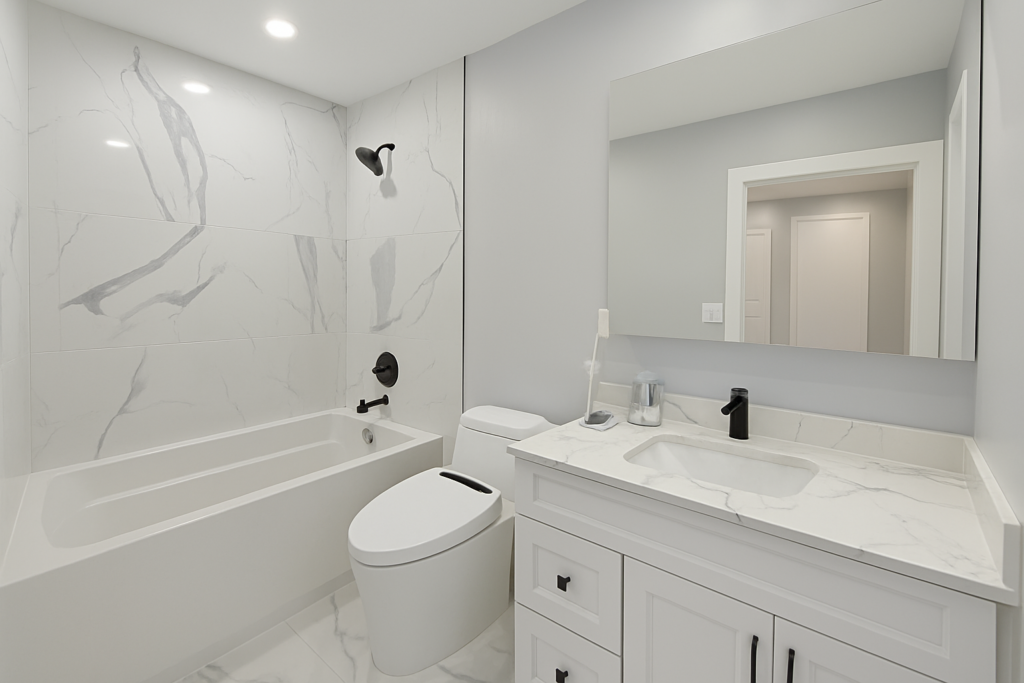
where the layout and all finishes were changed
High-end bathroom fixtures can also stretch your budget. Some custom or imported pieces look great, but the warranties, parts, and shipping issues make them impractical for many homeowners. Choosing reliable suppliers saves you money and stress long-term.
Tile is another area where costs get out of control. Covering every wall in tile isn’t necessary. Focus on wet areas around the shower or bath tub, and consider paint or wallpaper elsewhere for a modern look that won’t drain your budget.
And finally, smart toilets. They may be trendy, but they’re several times more expensive than a standard model. For most homeowners, a regular toilet with a bidet seat is more than enough. It does the job without burning a hole in your renovation budget.
What to Look for Closely During the Bathroom Renovation
Construction is where shortcuts can undo your entire investment. If you’re planning a bath renovation, keep an eye on the details that matter most.
Plumbing must always be tested under pressure before walls are closed up. Even a small hidden leak can lead to long-term damage. Waterproofing is equally critical. A liner or membrane under the shower or bath with shower tiles must extend six inches up the wall and be free of punctures or seams. This is what prevents water damage in your bathroom.
Ventilation is another area many homeowners overlook. Bathroom exhaust fans should be vented through the roof, not into the attic. Improper ventilation leads to mold, condensation, and long-term damage.
Electrical upgrades are just as important. Bathroom fixtures light and outlets must be code-compliant, with GFCI protection installed by a licensed electrician. This isn’t the place to cut corners.
In short, the quality of plumbing, waterproofing, venting, and electrical work determines how long your bathroom remodel lasts. These details matter far more than the pattern of your tiles or the shape of your vanity.
How Much Does a Bathroom Renovation Cost in Toronto?
This is the most common question, and while prices vary, here’s what you can expect for a standard 12’ x 5’ bathroom renovation in Toronto.
If you’re keeping the existing layout, labor alone typically costs between $9,000 and $12,000. This includes demolition, disposal, plumbing and electrical work, flooring, painting, and reinstalling fixtures.
If the contractor supplies bathroom fixtures, tiles, vanity, bath tub, and faucets, add $3,000 to $6,000 depending on quality and design.
If you’re changing the layout, such as moving a toilet or converting a bath tub into a bath with shower, expect another $2,000 to $4,000 in costs. These changes require extra plumbing, framing, drywall, and finishing work.
Altogether, most bathroom renovations in Toronto fall between $12,000 and $20,000+. Always set aside a contingency budget of 10–15% for hidden surprises like water damage, non-compatible pipes, or outdated wiring.
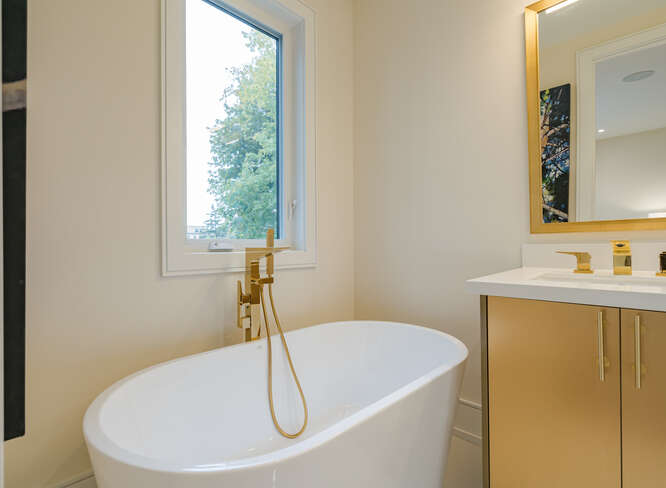
Final Words
If you’ve read this far, you now understand what really drives a successful bathroom renovation in Toronto. From shower renovation options to bath remodels, from bathroom fixtures light to layout changes, every decision has an impact on cost, comfort, and lifestyle.
The key is to plan ahead, focus on function, and avoid unnecessary budget killers. Bathroom design should reflect your needs and add long-term value, not just look good for a few Instagram photos.
If you’re planning a shower renovation, a full bath remodel, or simply upgrading bathroom fixtures, don’t go in blind. Get the right guidance before making decisions that affect your comfort, budget, and home value.
And when you’re ready to take the next step, we’re here to help. Reach out with your questions, ideas, or project plans, we’ll walk you through the process and make sure your bathroom renovation is done right from start to finish. One click is all it takes to get started.



Hi there, I found your web site via Google while looking for a related topic, your website came up, it looks good. I have bookmarked it in my google bookmarks.